
Litter box training is one of the most essential aspects of cat ownership. While cats are naturally inclined to bury their waste, some may need guidance to adapt to using a litter box, especially if they are kittens, newly adopted, or have had negative experiences in the past. Proper litter box training not only ensures a clean and odor-free home but also promotes your cat’s comfort and well-being.
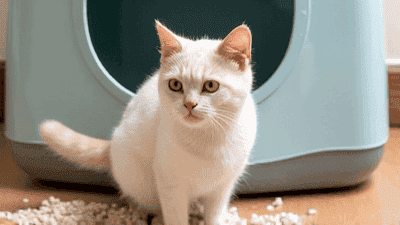
Litter box training is one of the most essential aspects of cat ownership. While cats are naturally inclined to bury their waste, some may need guidance to adapt to using a litter box, especially if they are kittens, newly adopted, or have had negative experiences in the past. Proper litter box training not only ensures a clean and odor-free home but also promotes your cat’s comfort and well-being.
1. Why Litter Box Training Is Important
Benefits for Cats
- Provides a safe and clean space for elimination.
- Reduces stress and anxiety by meeting their natural instincts.
- Helps establish a routine and sense of security.
Benefits for Owners
- Keeps your home clean and hygienic.
- Prevents unwanted accidents on carpets, furniture, or other surfaces.
- Strengthens the bond between you and your cat.
2. Understanding Your Cat’s Instincts
Natural Behaviors
Cats are naturally clean animals that instinctively bury their waste to hide their scent from predators. This makes them more receptive to litter box training compared to other pets.
Territorial Marking
Unneutered or unspayed cats may mark their territory by spraying urine outside the litter box. Spaying or neutering can help reduce this behavior.
Stress and Anxiety
Changes in the environment, such as moving to a new home or introducing a new pet, can cause cats to avoid the litter box. Addressing these stressors is key to successful training.
3. Choosing the Right Litter Box
Size and Shape
- The litter box should be large enough for your cat to move around comfortably.
- Avoid covered litter boxes if your cat seems hesitant to use them.
Material
Plastic litter boxes are the most common and easy to clean. Avoid using liners or scented litter, as these may deter some cats.
Number of Boxes
The general rule is to have one litter box per cat, plus one extra. For example, if you have two cats, you should have three litter boxes.
4. Selecting the Best Cat Litter
Types of Litter
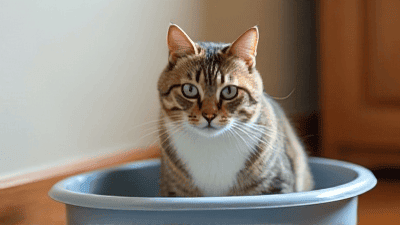
- Clumping Litter: Easy to clean and highly absorbent.
- Non-Clumping Litter: Budget-friendly but requires more frequent cleaning.
- Natural Litter: Made from materials like corn, wheat, or pine; eco-friendly but may not control odor as effectively.
Texture and Scent
Most cats prefer fine, unscented litter that mimics the texture of sand. Avoid strongly scented litter, as it may be off-putting to sensitive cats.
Depth of Litter
Fill the litter box with 2-3 inches of litter. This provides enough material for your cat to dig and cover their waste.
5. Step-by-Step Guide to Litter Box Training
Step 1: Choose the Right Location
- Place the litter box in a quiet, easily accessible area.
- Avoid high-traffic areas or places near loud appliances, such as washing machines.
Step 2: Introduce Your Cat to the Litter Box
- Gently place your cat in the litter box after meals or naps.
- Allow them to explore the box on their own without forcing them.
Step 3: Encourage Digging
- Use your finger to gently scratch the litter, encouraging your cat to mimic the behavior.
- Praise your cat when they use the litter box successfully.
Step 4: Maintain a Routine
- Place your cat in the litter box at regular intervals, such as after meals or playtime.
- Be patient and consistent, especially with kittens or newly adopted cats.
Step 5: Reward Positive Behavior
- Offer treats or verbal praise when your cat uses the litter box.
- Avoid punishment for accidents, as this can create fear and anxiety.
6. Common Litter Box Training Challenges

Accidents Outside the Box
- Clean accidents thoroughly with an enzymatic cleaner to remove odors.
- Place a second litter box in the area where accidents occur.
Refusal to Use the Litter Box
- Ensure the litter box is clean and accessible.
- Experiment with different types of litter or litter box styles.
Spraying or Marking
- Spay or neuter your cat to reduce territorial behavior.
- Provide multiple litter boxes in different locations.
Stress-Related Issues
- Identify and address stressors in your cat’s environment.
- Consult your vet or a feline behaviorist for additional support.
7. Tips for Maintaining a Clean Litter Box
Daily Cleaning
- Scoop the litter box at least once a day to remove waste.
- Replace the litter as needed to keep it fresh and odor-free.
Weekly Cleaning
- Empty the litter box completely and wash it with mild soap and water.
- Avoid using harsh chemicals that may deter your cat.
Regular Replacement
- Replace the litter box every 6-12 months, as plastic can absorb odors over time.
- Monitor for signs of wear or damage that may make the box uncomfortable for your cat.
8. Troubleshooting Litter Box Problems
Medical Issues
If your cat suddenly stops using the litter box, schedule a vet visit to rule out urinary tract infections or other health problems.
Behavioral Issues
Work with a feline behaviorist to address anxiety, stress, or territorial behavior that may be affecting litter box use.
Environmental Changes
Gradually introduce changes to your cat’s environment, such as a new litter box or location, to prevent resistance.
9. Litter Box Training for Special Cases
Kittens
Most kittens learn to use the litter box quickly by observing their mother. If you’re training a kitten, use a shallow litter box and guide them gently.
Senior Cats
Older cats may have difficulty climbing into high-sided litter boxes. Choose a low-entry box and place it in an easily accessible location.
Disabled Cats
Cats with mobility issues may need a specially designed litter box with ramps or low sides. Consult your vet for recommendations.
10. FAQs About Litter Box Training
Q: How long does it take to train a cat to use the litter box?
A: Most cats learn within a few days to a week. Some kittens or shy cats may take longer.
Q: Why is my cat suddenly avoiding the litter box?
A: Sudden avoidance may be due to medical issues, stress, or a dirty litter box. Consult your vet to identify the cause.
Q: Can I train an older cat to use the litter box?
A: Yes, older cats can be trained, but it may take more patience and adjustments, such as using a low-entry box.
Q: How many litter boxes do I need for multiple cats?
A: The general rule is one litter box per cat, plus one extra. This helps prevent territorial disputes.
Conclusion
Training your cat to use a litter box is a rewarding process that benefits both you and your feline friend. By understanding your cat’s instincts, choosing the right litter box and litter, and following a consistent training routine, you can ensure success. Remember to be patient, address challenges promptly, and maintain a clean and comfortable environment for your cat. With time and effort, your cat will master the litter box, creating a happier and healthier living space for everyone.